Classic & Popular Literature

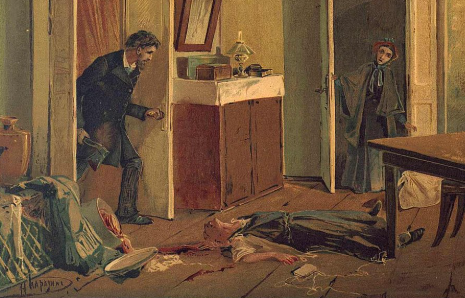
  • Crime and Punishment by Fyodor Dostoyevsky (1866)

    follows Rodion Raskolnikov, an impoverished former law student in Saint Petersburg who plans to murder an unscrupulous pawnbroker. He convinces himself that certain crimes are justifiable if committed by "extraordinary" men pursuing higher goals. Once the deed is done, however, he is consumed by confusion, paranoia, and guilt as his theoretical justifications crumble and he faces the internal and external consequences of his actions.

  • Ulysses by James Joyce (1922)

    chronicles one day in Dublin—June 16, 1904—following three characters whose experiences mirror Homer's Odyssey. Leopold Bloom parallels Odysseus, his wife Molly echoes Penelope, and Stephen Dedalus reflects Telemachus. Through experimental prose styles and stream of consciousness technique, Joyce explores themes of identity, Irish life, and human consciousness. The novel's complexity, literary allusions, and revolutionary approach to depicting thought have made it one of modernism's most celebrated and debated works.

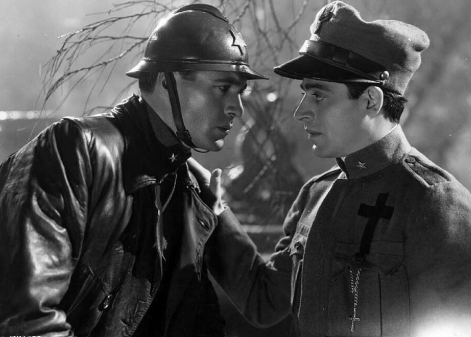
  • A farewell to arms by Ernest Hemingway (1929)

    Set during World War I's Italian campaign, it follows American lieutenant Frederic Henry, who serves in the Italian ambulance corps. When he meets English nurse Catherine Barkley, a passionate love affair develops against the brutal backdrop of war. As battle intensifies and their relationship deepens, the lovers face devastating choices that will test whether their bond can survive the chaos surrounding them.

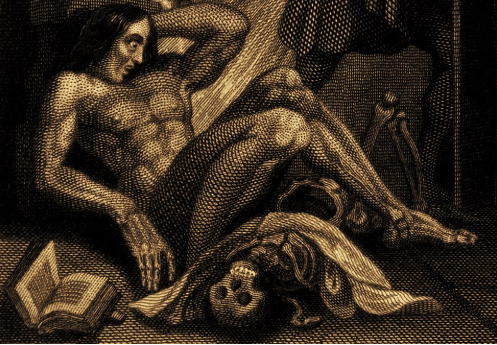
  • Frankenstein by Mary Wollstonecraft Shelley (1818)

    the story of Victor Frankenstein, a young scientist who creates a living creature from assembled body parts in an unorthodox experiment. When the creature awakens, Victor flees in horror, abandoning his creation. The conscious being must navigate a world that fears him, learning language and seeking connection, only to face repeated rejection.

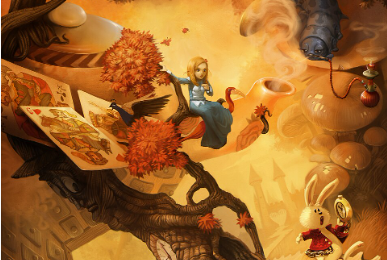
  • Alice's Adventures in Wonderland by Lewis Carroll

    When a curious girl named Alice spots a White Rabbit with a pocket watch, she tumbles down a rabbit hole into an extraordinary fantasy world filled with peculiar anthropomorphic creatures. This pioneering work of literary nonsense plays with logic and language, creating a whimsical tale that delights both children and adults.

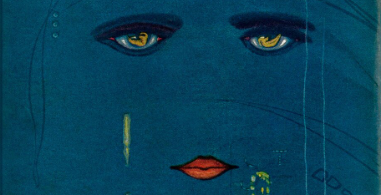
  • The Great Gatsby by F. Scott Fitzgerald (1925)

    Set in the Jazz Age on Long Island, it follows narrator Nick Carraway as he becomes drawn into the world of his mysterious neighbor, Jay Gatsby, a wealthy millionaire who throws extravagant parties. Gatsby harbors an obsession with reuniting with Daisy Buchanan, a woman from his past now married to the affluent Tom. The story captures the glamour, excess, and moral complexities of 1920s America.

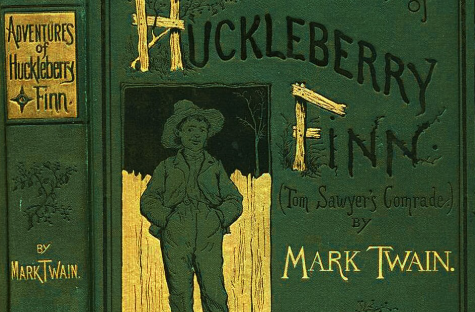
  • Adventures of Huckleberry Finn by Mark Twain (1884)

    follows young Huck Finn as he escapes his abusive father and flees down the Mississippi River with Jim, an enslaved man seeking freedom. Their journey brings encounters with feuding families, con artists, and moral dilemmas that challenge Huck's conscience. Set in the antebellum South, this sequel to "Tom Sawyer" is celebrated for its portrayal of boyhood and its satirical examination of racism and society.

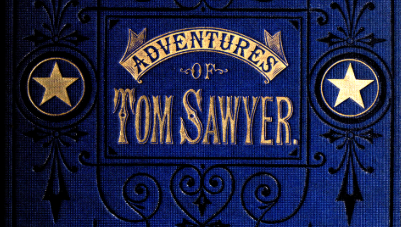
  • The Adventures of Tom Sawyer by Mark Twain (1876)

    Tom Sawyer and his friend Huckleberry Finn navigate childhood adventures that take increasingly dangerous turns when they witness a murder in a graveyard. Sworn to secrecy and living in fear, the boys must decide whether to speak the truth as an innocent man faces trial, while a vengeful killer remains free.

  • New List Item

    Description goes here